3 products

Frequently Asked Questions

Do you sell to the public or only to contractors?+

We work directly with contractors, builders, and masonry professionals across the western United States. The public can purchase from us as well, though most residential projects are handled through a licensed contractor who sources the materials. If you need reinforcement solutions for your project or a jobsite, we serve you.

Do you offer delivery?+

Yes. We deliver directly to jobsites, making it easier to keep projects moving without delaying your crews.

What is the difference between seismic-rated anchors and standard anchors?​​+

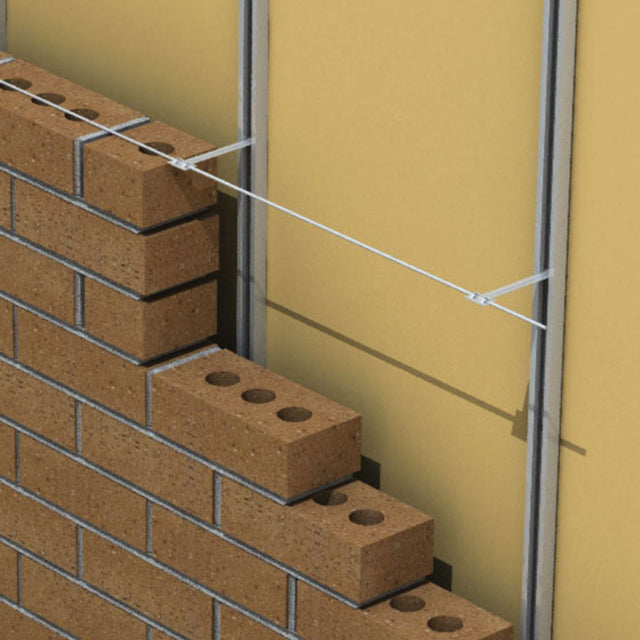
Seismic-rated anchors are designed to perform under lateral movement and cyclic loading caused by seismic events, including earthquakes, while standard anchors primarily address static loads. For new masonry veneer assemblies and other critical connections, seismic-rated anchors enhance connection performance to meet code and engineering specifications.

Which seismic anchor should I use for my application?+

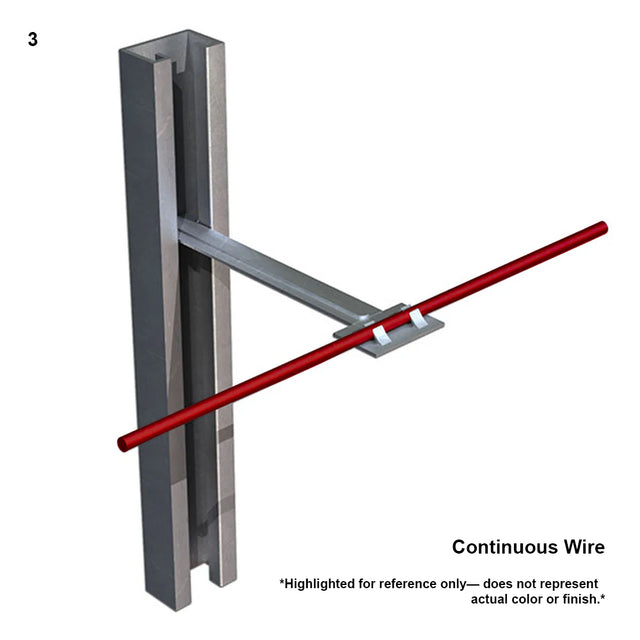
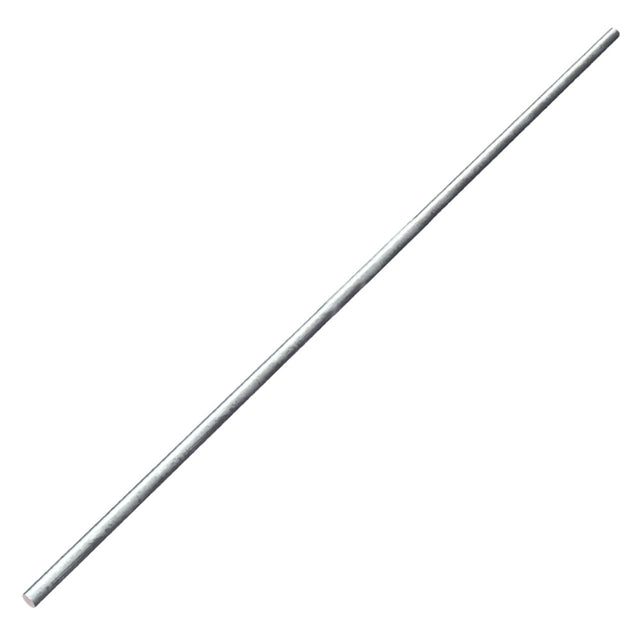
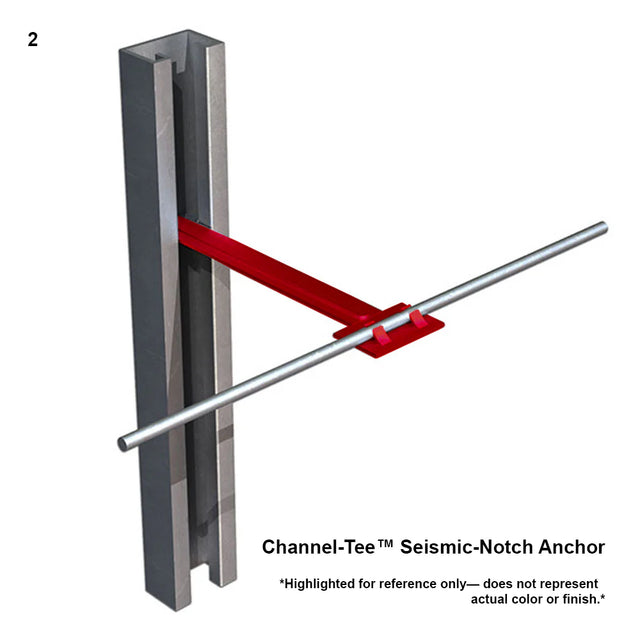
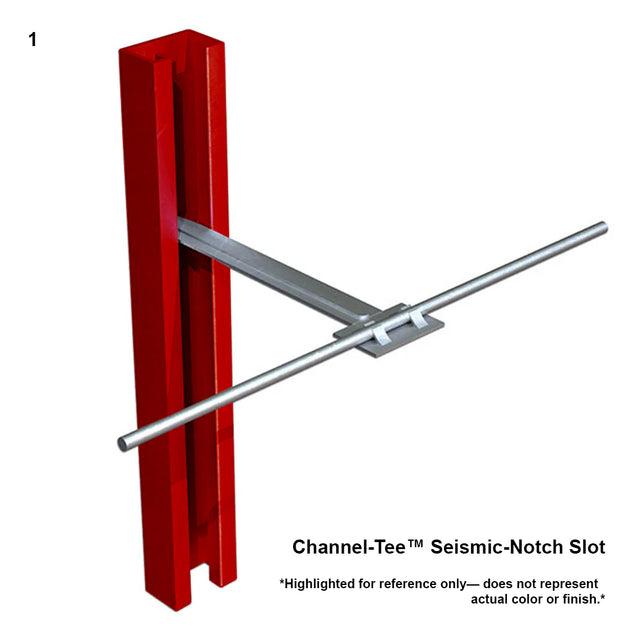
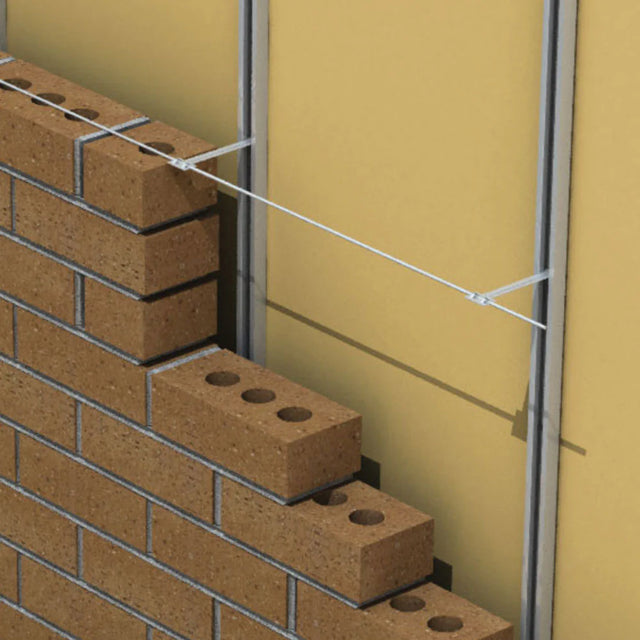
The right anchor depends on base material, load requirements, edge distance, spacing, and seismic category. Seismic clips are often used in conjunction with wire ties or channel systems to complete the anchoring assembly based on project requirements.

Do your seismic anchor systems meet U.S. building codes?+

Yes. Our seismic anchor systems are designed to comply with U.S. building codes that vary by seismic regions when installed according to manufacturer specifications and engineering requirements.

Can seismic anchors be installed in existing concrete?+

Yes. Many seismic anchor systems are post-installed and work well for retrofit projects, upgrades, and installations in existing masonry or cured concrete.

What information do inspectors look for with seismic anchors?+

Inspectors typically review anchor type, load ratings, spacing, embedment depth, installation method, and documentation provided in two places: the approved construction plans and the manufacturer's documentation.

When is a welded seismic clip required instead of a mechanical connection?+

A welded connection is typically specified when masonry veneer or other assemblies attach to structural steel, and the engineer calls for welding as part of the load path. The exact requirement is going to depend on the project details, base material, and code or engineering specifications.